I strip engines down practically every day — not from a catalogue or an advert. I have them apart on the bench and I see from the inside what each oil has done after hundreds of engine hours. That's exactly why I switched to Maxima and put it in the engines I take responsibility for. Here's honestly what's behind that.
Clean oil doesn't mean a clean engine
Plenty of people tell me: "my oil came out nice and clean, so it must be good." And that's exactly where the catch is — it's more the opposite. A good oil holds dirt in suspension and carries it out at the change, which is why it drains dark and dirty — that's the muck leaving the engine. When oil keeps draining clear, it often means it didn't carry the dirt out but let it settle inside the engine.
And that settled muck is what I then see when I open things up. There are oils after which I literally scrape a black baked-on layer off the cases and from under the gearbox. And then there's Maxima: an engine that comes to me after 100 hours on Maxima is often clean enough that I just rinse it with brake cleaner and it's spotless. That's not marketing off a bottle — that's the state of the part right in my hands.
Lower friction = lower consumption and quieter running
Maxima builds its engine oils to JASO MA2 — meaning without friction modifiers that harm a wet clutch. The clutch doesn't slip and engagement is precise. And it's not just on paper:
- Customers who switched to Maxima (often after the warranty ran out, when they no longer had to run the prescribed brand) report that their fuel consumption dropped — commonly by around 1.5 dl. Maxima puts it down to lower friction and drag, and that matches my experience.
- The gearbox works more smoothly and the engine often goes quieter — you can hear it right after the change.
Some clients joke that "I fix engines by changing the oil", because after a service they don't recognise their own bike. It sounds like a fairy tale — but until you try it, you won't believe it.
Certainty that can't be faked
I take this seriously both as a mechanic and as a seller. The oil market today is full of counterfeits — exact replicas of the best-known oils are appearing, so cheap that they can't possibly contain what an oil really should. The fakers copy even the trademarks and labels so precisely that you can barely tell them from the original. The only clue is usually a suspiciously low price — and then you hear it: after pouring it in the valves rattle and clutch problems start.
That's why I like three things about Maxima:
- Uniform, very similar prices across sellers (in some countries they're even higher). When the price is stable everywhere, there's no room for a grey market or "bargain" fakes.
- Direct import from the USA under strict export control — no middlemen or bottlers where the product could be tampered with. You get exactly what left the factory.
- When I watch purchasing, I can see that Maxima's prices track the price of crude oil — there's a real raw material and technology behind the product, not just a pretty bottle.
OEM approvals across brands
Maxima isn't a "racing only" brand — in the USA it holds OEM approvals across manufacturers. I've seen it recommended right in the service manual of a bike imported from the USA. In other words: it's not an experiment, but an oil manufacturers treat as fully valid.
Chain: a WAX that really lubricates
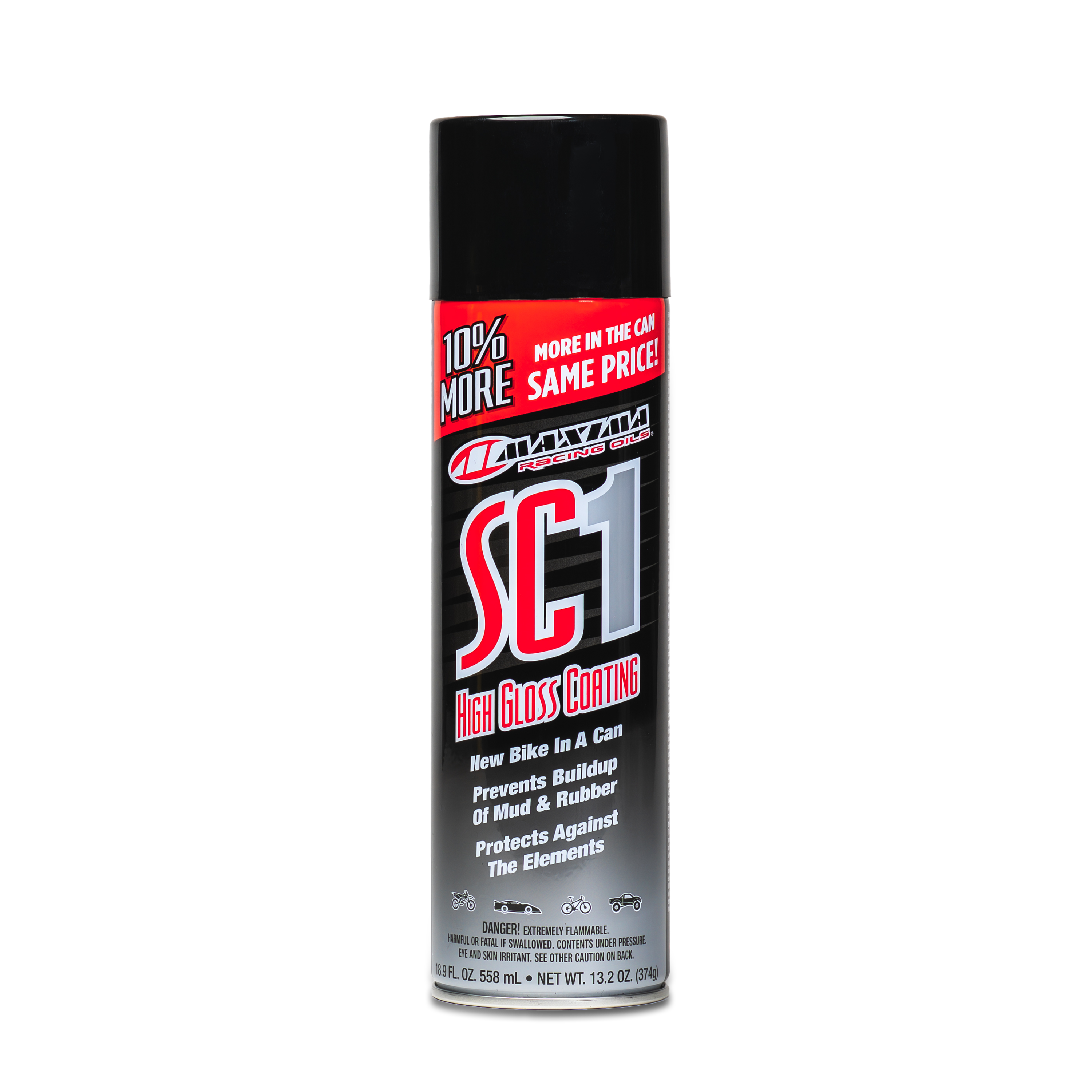
Maxima has a paraffin-based Chain Wax that doesn't fling off and keeps the chain genuinely greasy. Many sprays lay something like petroleum jelly on the chain — it feels "coated", but it's dry between the links. You'll notice the difference the moment you get the chain moving. I wrote up the whole cleaning and lubing process in the complete guide to the Maxima brand.
What I put in engines
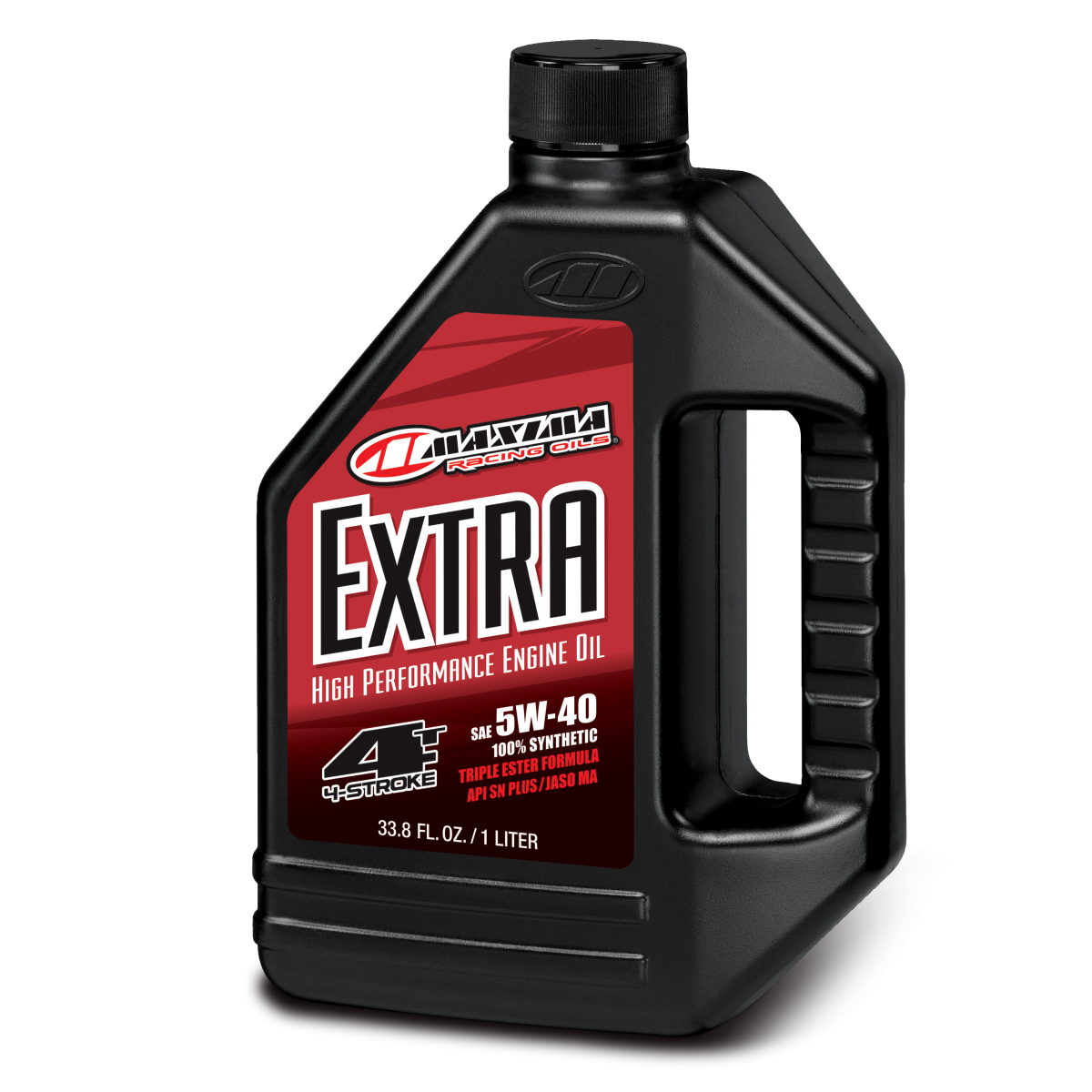
- Maxima Extra 4 — a long-life oil with ester technology. My clear choice when I want a long interval and maximum protection.
- Pro Plus+ — full synthetic (JASO MA2) for powerful 4-strokes and hard use.
- Castor 927 — the cult racing 2-stroke oil based on castor, for the mix only.
An honest conclusion
I'm not saying other oils are rubbish. I'm saying that when I take responsibility for someone else's engine, I put Maxima in it — because I see the difference when I open it up, my customers feel it in consumption and running, and I'm certain that what I'm pouring in really is what should be there. Until you try it, you won't believe it. Take a look at the whole Maxima range and write to me if you'd like help choosing for your bike.